


 Re Order

 Re-order











You’re on holiday – the sun’s out and you fancy a quick dip in the pool. Or maybe you’ve been wearing your contact lenses all day and your eyes feel a little dry – so what’s the harm in a little rinse? It may seem innocent enough, but even the clearest water can contain elements that shouldn’t go near your lenses or eyes.
Want to know more about why contact lenses and water from pools, oceans, or even the sink, isn’t a safe combination? From everyday routines to lens care on holiday, we’ll offer practical tips to help you protect your eye health and keep your lenses comfortable. Whether you’re new to contacts or a long-time wearer, small changes to your routine can make a significant difference to your overall eye comfort.
Why contact lenses and water don’t mix
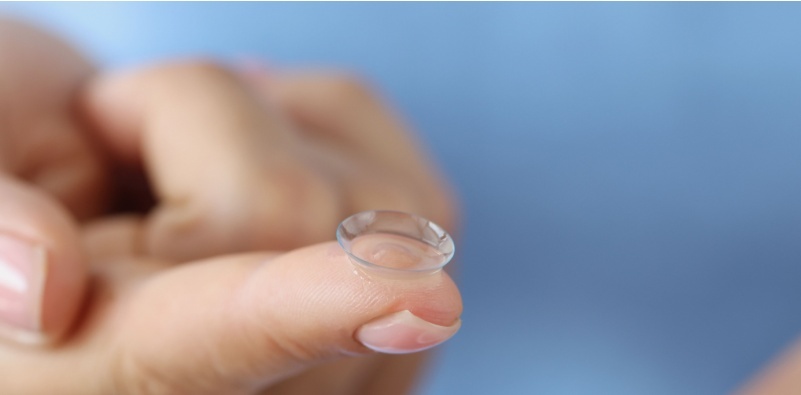
Water may look pristine, but it often contains microorganisms like Acanthamoeba, commonly found in tap water, swimming pools, hot tubs, and natural water sources like lakes and rivers. While these organisms are generally fine on skin, they can cause complications if introduced to the delicate eye environment through contact lenses.
Contact lenses can absorb water like tiny sponges, potentially carrying microorganisms directly to the cornea – the eye’s clear, protective outer layer – where infections may develop. Water exposure can also alter the shape and fit of soft lenses, causing discomfort and affecting your vision quality.
Even seemingly small amounts of water can interfere with lens performance and eye health. The unique environment created when contact lenses and water meet provides conditions that can support unwanted bacterial growth, which is why maintaining a completely water-free lens routine is essential for optimal eye health.
Types of water to avoid with contact lenses
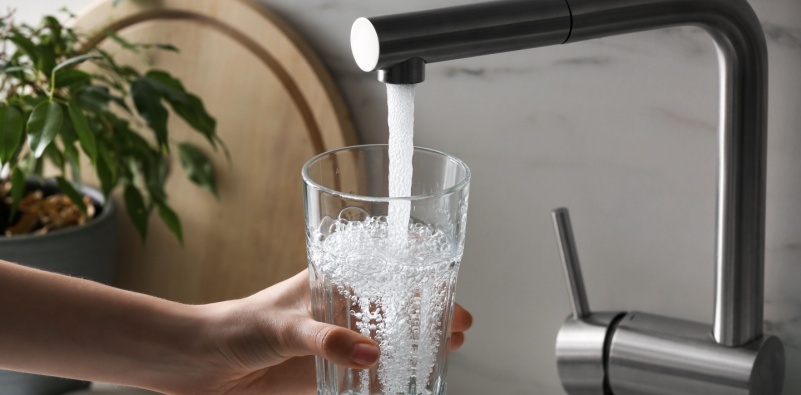
Understanding which water sources pose the greatest concerns can help you make informed decisions about your eye care routine:
Tap water contains various minerals and microorganisms, even when treated and considered safe for drinking. Swimming pool water, despite chlorination, can harbour resistant organisms and chemicals that irritate eyes. Hot tub water presents particular challenges due to warm temperatures that can encourage bacterial growth.
Natural water sources like lakes, rivers, and ocean water contain numerous microorganisms and pollutants. Even distilled water, while purer than tap water, lacks the specific balance of salts and pH levels that your eyes need and can still cause lens swelling and discomfort.
Everyday water exposure – what to watch for

Water can infiltrate your lens routine more easily than you might expect – during morning showers, while washing your face, or through the seemingly innocent act of rinsing lenses with tap water. Even small splashes during daily activities can introduce unwanted elements to your lens care routine.
To maintain optimal eye health, always remove your contact lenses before showering, bathing, or swimming. Never use tap water to clean, rinse, or store your lenses, regardless of how pure it appears. Instead, keep a travel-sized sterile solution and a spare lens case readily available to avoid convenient shortcuts that could compromise your eye comfort.
These straightforward habits help maintain clear, comfortable vision whilst protecting your long-term eye health.
Travel smarter with contacts
Water activities often feature prominently in holiday plans – whether enjoying hotel pools, exploring coastal waters, or relaxing in spa hot tubs. If you’re a lens wearer, advance planning helps keep your eyes comfortable and protected.
Consider investing in prescription swimming goggles for water activities, allowing you to see clearly while keeping your eyes protected. Alternatively, simply remove your contact lenses before entering any water and store them safely in fresh solution.
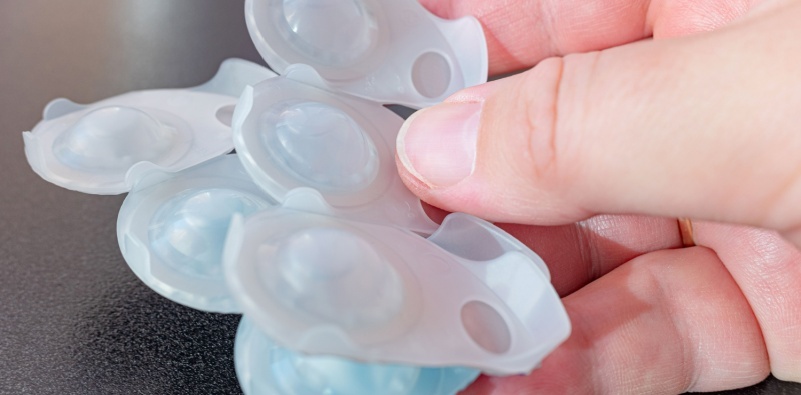
When travelling, pack generous supplies of sterile lens solution, multiple spare cases, and consider switching to daily contact lenses for added convenience and hygiene. Daily contact lenses eliminate storage concerns and provide fresh, sterile lenses each day – particularly valuable when travelling to areas where water quality may be uncertain.
What to do if water contacts your lenses
If water accidentally contacts your contact lenses, remove them immediately and discard them safely. Replace the affected lenses with fresh ones from your supply, and if you experience any persistent discomfort, redness, or vision changes, consult your optometrist promptly.
Keep your lens routine on track
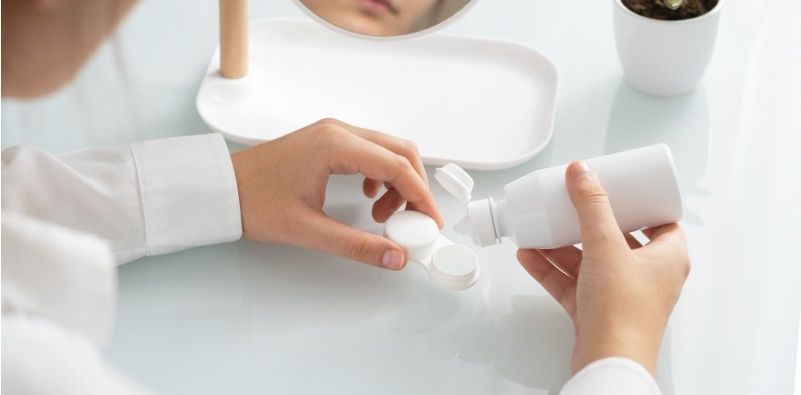
Effective lens care relies on consistent habits – always clean and store your contact lenses using sterile, optometrist-recommended solutions. Replace lens cases regularly and follow your eye care professional’s guidance for optimal long-term comfort.
If you lead an active lifestyle or travel frequently, our knowledgeable team can suggest personalised tips tailored to your specific routine and needs.
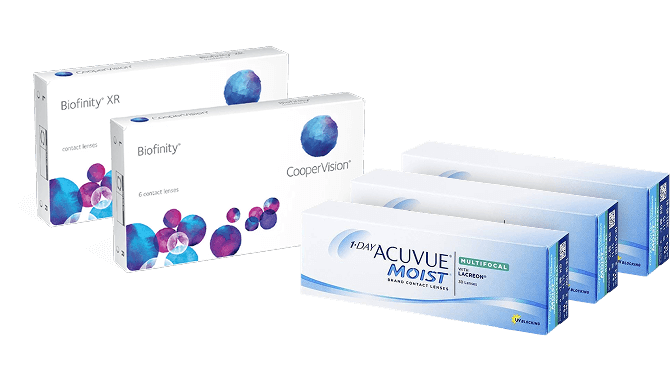
Ready to refresh your contact lens supply? Explore our comprehensive selection of trusted contact lenses, ensuring you’re well-prepared for wherever life takes you.